acoustic-insulation

Acoustic Reflective
Insulation for
Sound Control Systems

Acoustic Reflective
Insulation for
Sound Control Systems

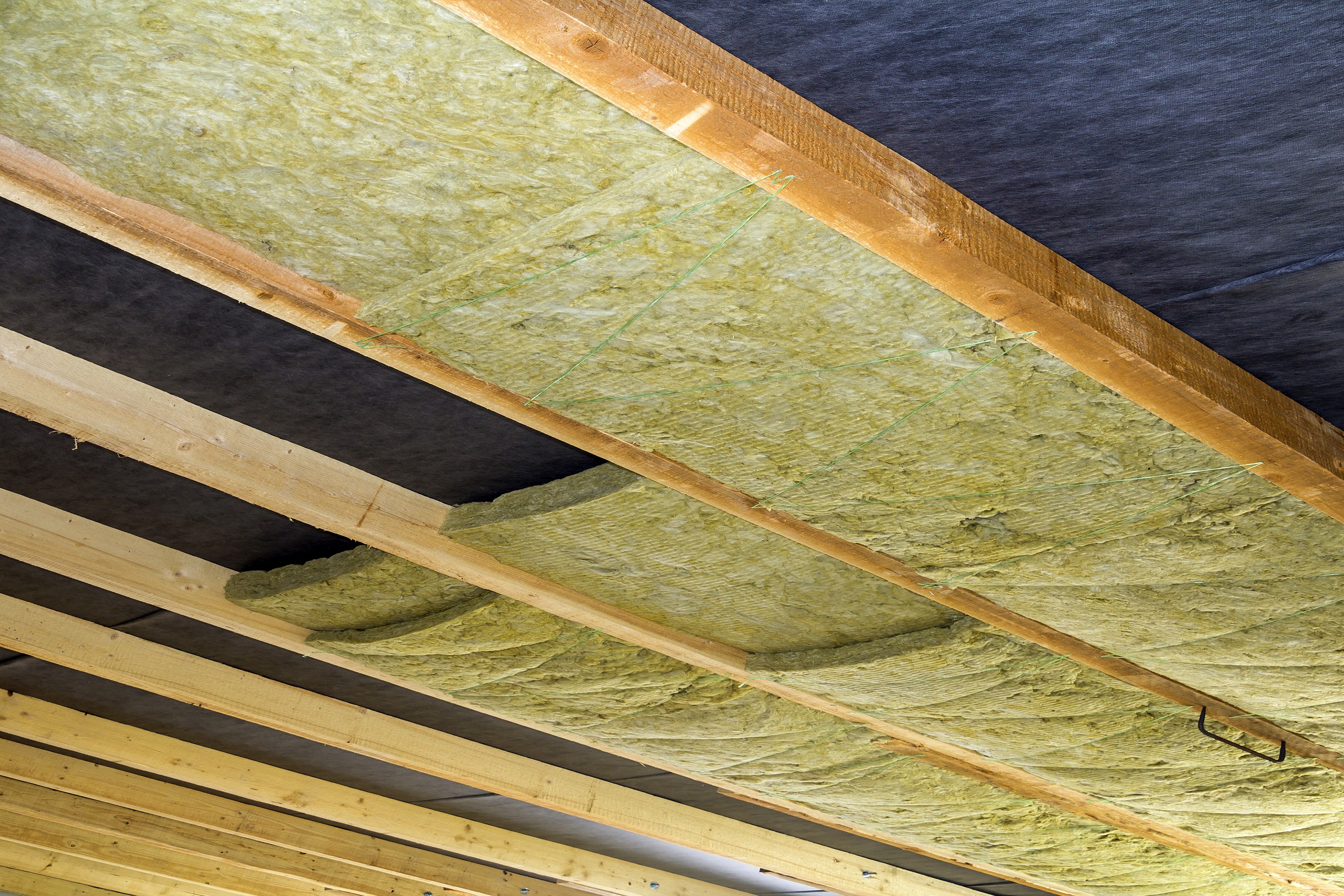
Insulapack reflective insulation helps improve sound control and thermal performance in building systems by reducing sound transmission through walls, ceilings, and mechanical spaces.

Insulapack reflective insulation helps improve sound control and thermal performance in building systems by reducing sound transmission through walls, ceilings, and mechanical spaces.

97% Radiant Heat Reflection
ASTM E84 Class A fire-tested material

✔ Helps reduce sound transmission
✔ System R-value up to 10.6

97% Radiant Heat Reflection
ASTM E84 Class A fire-tested material

✔ Helps reduce sound transmission
✔ System R-value up to 10.6

Designed for commercial buildings, mechanical rooms, and interior wall assemblies.

Designed for commercial buildings, mechanical rooms, and interior wall assemblies.

Bulk inert gas bubble insulation rolls for commercial metal buildings

Product Overview

Acoustic Insulation

for Building Systems

Insulapack reflective insulation helps reduce sound transmission while also improving thermal efficiency in building assemblies.

The multi-layer bubble structure combined with reflective aluminum surfaces helps control both sound and heat transfer in interior and mechanical environments.

Feature Icon

Radiant Heat Reflection

Reflects up to 97% radiant heat energy.

Feature Icon

Radiant Heat Reflection

Reflects up to 97% radiant heat energy.

Feature Icon

Sound Control Support

Helps reduce sound transmission through walls.

Feature Icon

Sound Control Support

Helps reduce sound transmission through walls.

Feature Icon

Lightweight Installation

Flexible roll format simplifies installation.

Feature Icon

Lightweight Installation

Flexible roll format simplifies installation.

Feature Icon

Multi-Layer Construction

Available in 1–6 insulation layers.

Feature Icon

Multi-Layer Construction

Available in 1–6 insulation layers.

Technical of Acoustic and

Thermal Performance

Insulapack reflective insulation supports sound control in building systems while maintaining strong thermal performance.


The lightweight insulation design allows installation in wall assemblies, ceiling systems, and mechanical areas where space may be limited.

Technical Specifications

Key Specifications

Compliance & Testing

Base R-Value:
R-10.6 per inch (material value)

Fire Rating:
ASTM E84 – Class A

Thickness:
5/16 in (8 mm)

Vapor Permeability
0.02 perms (ASTM E96)

Roll Width
48 in (1220 mm)

Moisture Resistance
Resistant to moisture penetration

Roll Length
125 ft (38 m)

Building Code Compliance
ICC compliant

Reflectivity
Up to 97% radiant heat reflection (ASTM C1371)

Durability
Engineered for transport environments

BG Gradient

Application Areas

Where Acoustic Insulation Is Used

Designed for building environments where sound control and thermal efficiency are required.

Interior Walls

Interior

Walls

Office Buildings

Office

Buildings

Mechanical Rooms

Mechanical

Rooms

Ceiling Systems

Ceiling

Systems

Commercial Spaces

Commercial

Spaces

Ready to Get Started?

Tell us about your insulation project

and receive a customized quote.

Typical response time: within 24 hours

BG Image

Common questions

Frequently Asked Questions

What is acoustic insulation used for?

Acoustic insulation helps reduce sound transmission between rooms or building spaces while improving overall comfort.

Does reflective insulation reduce sound?

Where is acoustic insulation typically installed?

Can acoustic insulation improve energy efficiency?

Is reflective acoustic insulation fire rated?

Can acoustic insulation be used in commercial buildings?

What is acoustic insulation used for?

Acoustic insulation helps reduce sound transmission between rooms or building spaces while improving overall comfort.

Does reflective insulation reduce sound?

Where is acoustic insulation typically installed?

Can acoustic insulation improve energy efficiency?

Is reflective acoustic insulation fire rated?

Can acoustic insulation be used in commercial buildings?